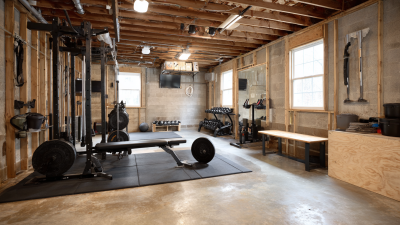
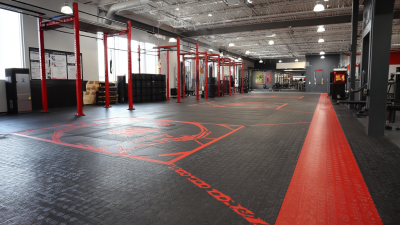
When you're setting up a Gym, picking the right equipment is a pretty big deal. One thing you really don’t want to overlook is theWeight Lifting Mats. I talked to John Smith, a well-known expert over at FitPro Equipment, and he said, "Good quality mats are super important for both safety and getting the best performance when weightlifting." Honestly, that really drives home just how much time you should spend choosing these mats wisely.
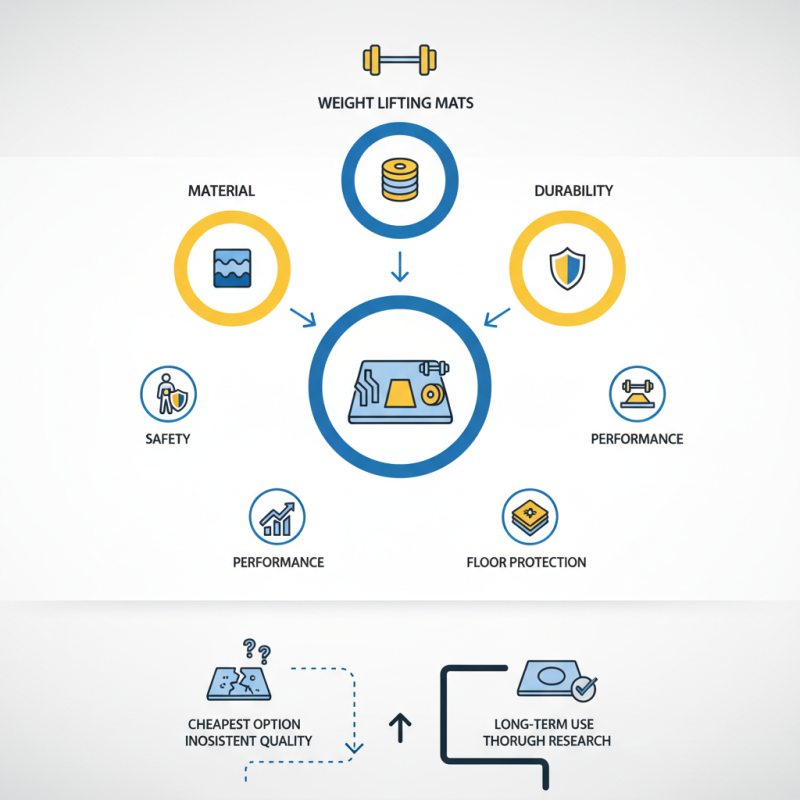
Weight Lifting Mats are great because they offer grip and some cushioning — which is kinda crucial. They help protect the floor and keep you steady while lifting. There are so many options out there, it can get pretty overwhelming. You’ll want to think about stuff like what material they’re made of, how thick they are, and how long they last. Sure, it might be tempting to just grab the cheapest ones, but that could come back to bite you later on. Spending a bit more upfront usually means they’ll hold up longer and actually be worth the investment.
The market’s kinda all over the place when it comes to quality, which makes it tricky to know what’s reliable. Not all mats are created equal — some might start wearing out pretty quickly. So, doing your homework before buying is definitely worth it. Take some time to check out different brands, materials, and reviews. And most importantly, think about what will really suit your gym’s specific needs — it makes all the difference in the world.
Understanding the Importance of Weight Lifting Mats in a Gym
Weight lifting mats are essential in creating a safe and effective gym environment. They provide a cushioned surface, reducing impact on joints during heavy lifts. For serious lifters, a sturdy mat minimizes the risk of injury while maintaining equipment performance. The right mat absorbs shock and noise, ensuring a quieter workout space.
Choosing the right Weight Lifting Floor Mats can be challenging. Thickness, material, and texture play crucial roles in their effectiveness. Some mats may feel too soft, leading to instability during lifts. Others might lack enough cushioning, causing discomfort. Assessing your gym’s specific needs is vital. A balance between comfort and support is necessary for optimal performance.
Consider the aesthetics as well. An attractive mat can enhance your gym's overall look. However, don’t compromise functionality for style. Regular maintenance and cleaning are needed to prolong the mat's life. This reflects a commitment to quality and safety. A sturdy, well-maintained weight lifting floor mat is an investment in the gym’s future.
Types of Weight Lifting Mats Available on the Market
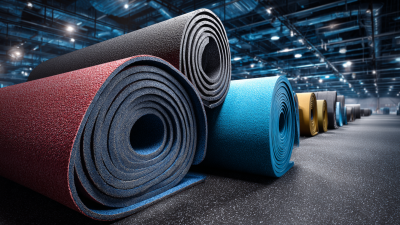
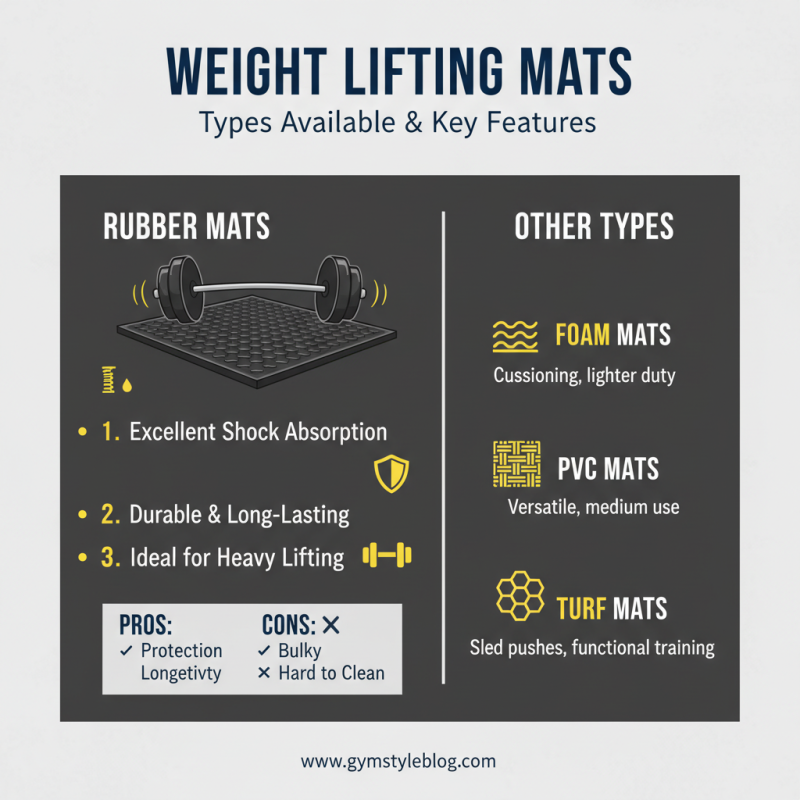
When selecting weight lifting mats, various types are available on the market. These mats vary in thickness, material, and purpose. Rubber Mats are a popular choice. They provide excellent shock absorption and are durable, making them suitable for heavy lifting. However, they can be bulky and hard to clean, which might deter some gym owners.
Foam mats offer lightweight options and are easy to install. They are great for floor exercises and can reduce noise. Yet, their lower density may not withstand the force from heavy weights over time. It’s essential to recognize that while foam mats serve multiple purposes, they may not provide enough protection for serious weight lifters.
Interlocking tiles are another versatile choice. They allow customization of the gym space and are often made from rubber or EVA foam. However, installation can be tricky, and gaps may form, leading to potential hazards during workouts. Selecting the right Weight Lifting Flooring requires careful thought about your specific needs and the type of workouts you plan to perform. Balancing durability and comfort is key to creating the safest lifting environment.
Key Features to Consider When Choosing Weight Lifting Mats
Choosing the right weight lifting mat for your gym can greatly enhance training safety and effectiveness. When looking for mats, consider their thickness. Generally, thicker mats provide better shock absorption. This can help protect both the floor and the weights. A thickness of at least half an inch is ideal for heavy lifting.
Material is another important factor. Rubber mats are popular due to their durability. They resist wear and tear, making them a long-term investment. However, softer materials, like foam, may also be beneficial for floor exercises. Think about the types of workouts you will do on these mats.
Look for mats with a non-slip surface. This feature ensures stability during heavy lifts. Mats that stay in place prevent accidents and injuries. Additionally, the size matters. Larger mats can accommodate various exercises and provide a defined space. Make sure they fit well within your gym layout. Always evaluate your gym’s specific needs before making a choice. Consider this a continuous process. Revisiting your options allows for better alignment with your training goals.
Evaluating Durability and Material Quality of Weight Lifting Mats
When selecting weight lifting mats, durability and material quality are crucial. Consider the thickness and density of the mats. Thicker mats offer better shock absorption. They also protect your floor from heavy weights. A durable mat can withstand years of intense workouts without showing wear.
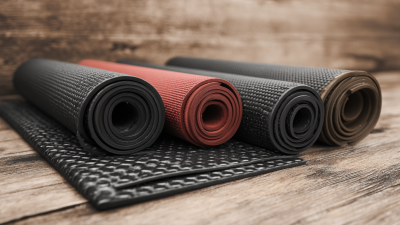
Material plays a significant role in performance. Rubber is a popular choice due to its resilience. It provides excellent grip and cushioning. However, not all rubber mats are created equal. Some may break down faster under heavy use. Testing various mats can help determine which material suits your gym’s atmosphere.
Evaluate the ease of cleaning too. High-quality mats should be simple to maintain. Look for ones that resist stains and odors. If maintenance becomes burdensome, it may affect your choice. Weigh durability against the possibility of damage from consistent use. Finding the right Weight Mats can make a significant difference in your gym experience.
How to Choose the Best Weight Lifting Mats for Your Gym? - Evaluating Durability and Material Quality of Weight Lifting Mats
| Mat Type | Material | Weight (lbs) | Durability Rating (1-5) | Price ($) |
| Rubber Mat | Recycled Rubber | 50 | 4 | 150 |
| Foam Mat | EVA Foam | 20 | 3 | 80 |
| Vinyl Mat | Vinyl Coated | 40 | 5 | 120 |
| Interlocking Mat | PVC Foam | 30 | 4 | 110 |
| PVC Mat | PVC | 45 | 4 | 95 |
Assessing Size and Thickness for Optimal Performance
Choosing the right weight lifting mat is crucial for any gym. Focus on size and thickness to enhance your performance. A mat that is too thin can lead to discomfort during heavy lifts. You risk injury with inadequate cushioning. A good thickness provides stability and support.
When assessing size, consider both the gym space and your workout routine. A larger mat can accommodate different exercises and movements. Yet, if the space is limited, a compact mat could be more practical. Balancing these factors is vital. Reflections on your training habits can guide you toward the right choice.
Thickness varies as well. General recommendations suggest mats around half an inch thick for weightlifting. However, a thicker mat may not always be better. Excessive thickness can impair balance, making it hard to maintain proper form. Choosing the best mat means finding what suits your needs. Think carefully about your workouts and how the mat will support them.
Weight Lifting Mats Size and Thickness Assessment
Price Comparisons: Finding the Best Value for Weight Lifting Mats
When choosing weight lifting mats, price is a crucial factor. Different mats range widely in cost. Higher prices often reflect better material and durability. However, expensive does not always mean better. It’s important to evaluate the features without being swayed by the price tag.
Consider the purpose of your gym. Are the mats for heavy lifting or general workouts? This will influence the type you need. Thicker mats usually offer more shock absorption, but they can be pricier. Shop around to find mats that suit your budget while ensuring quality. It’s a balancing act between cost and performance.
Don’t forget to read customer reviews. They provide insights into durability and user experience. Trustworthy feedback can help you avoid mats that might not hold up. Sometimes, cheaper mats may perform as well as more expensive options. Reflect on your gym’s needs before committing to a purchase.
Where to Purchase Weight Lifting Mats for Your Gym Setup
When setting up your gym, selecting the right place to purchase Gym Weight Mats is crucial. You can start by exploring local fitness equipment stores. These shops often have knowledgeable staff who can offer advice. Being able to see and feel the mats can help in deciding which type suits your gym best.
Online shopping is another viable option. Many websites provide a wide selection of Gym Weight Mats. Customer reviews can offer insight into the durability and practicality of each mat. Make sure to compare prices and shipping options. Some selections seem perfect but may not fit your gym's specific needs.
Keep in mind that not all mats are created equal. Consider factors like thickness and material. Reflect on what will work best for your gym environment. A poor choice might lead to dissatisfaction. Investing in quality products will enhance your gym experience. Take the time to research and weigh your options.
Optimizing Athletic Spaces: Benefits and Features of Durable Rubber Flooring Sports Mats
When considering the optimization of athletic spaces, one crucial aspect is the choice of flooring. Durable rubber flooring sports mats, such as those designed with advanced EPDM technologies, stand out due to their numerous benefits. These mats provide superior friction and cushioning, essential for athletes engaging in high-impact activities. According to industry research, effective cushioning can reduce the risk of injury by up to 50%, making it a critical factor for gym owners and facility managers.
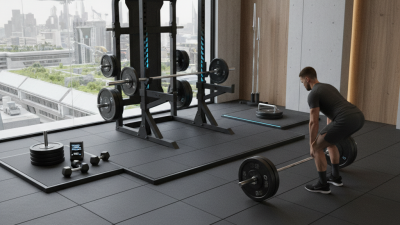
The versatility of rubber mats is enhanced by their thickness options, which typically range from 4mm to 20mm, allowing for customization based on specific needs. For example, thicker mats, particularly those incorporating shock-absorbing layers, are ideal for environments like weightlifting platforms where heavy impacts are commonplace. Reports from sports facility consultants indicate that implementing high-quality flooring can increase the lifespan of gym equipment by up to 30%, as these mats help absorb shock and reduce wear.
Furthermore, maintenance is a significant consideration in athletic spaces; durable rubber mats are designed for easy upkeep, which not only ensures a clean and safe environment but also offers long-term cost savings. Regular maintenance of flooring can extend its life and performance, a vital aspect highlighted in many facility management studies, where proactive maintenance strategies yield a return on investment of 200% or more. By choosing durable rubber flooring, facilities can create safer, more efficient athletic environments that foster performance and longevity.
FAQS
: There are rubber mats, foam mats, and interlocking tiles available.
Rubber mats provide excellent shock absorption and durability for heavy lifting.
Rubber mats can be bulky and difficult to clean, which some gym owners dislike.
Foam mats are lightweight and easy to install, but may not last with heavy weights.
Interlocking tiles allow for customization but can create gaps, leading to workout risks.
You can buy mats from local fitness stores or select online retailers.
Feeling the mats helps ensure they meet your gym's specific needs and comfort.
Consider thickness, material, and how they fit your gym's environment.
Poor choices may lead to dissatisfaction and potential safety hazards during workouts.
Yes, customer reviews provide insights into durability and practicality of various mats.
Conclusion
When setting up a gym, choosing the right weight lifting mats is crucial for safety and performance. Weight lifting mats provide essential cushioning and protection for both the lifter and the flooring, preventing damage and reducing the risk of injury. Various types of mats are available, each designed to meet different needs, so it's important to consider key features such as material quality, durability, size, and thickness. Evaluating these attributes will ensure that the mats provide optimal support during workouts.
In addition, price comparisons are vital for finding the best value without compromising on quality. Prospective gym owners should explore multiple purchasing options to find weight lifting mats that fit their budget and requirements effectively. By carefully assessing these factors, one can make an informed decision that enhances the overall gym experience.